
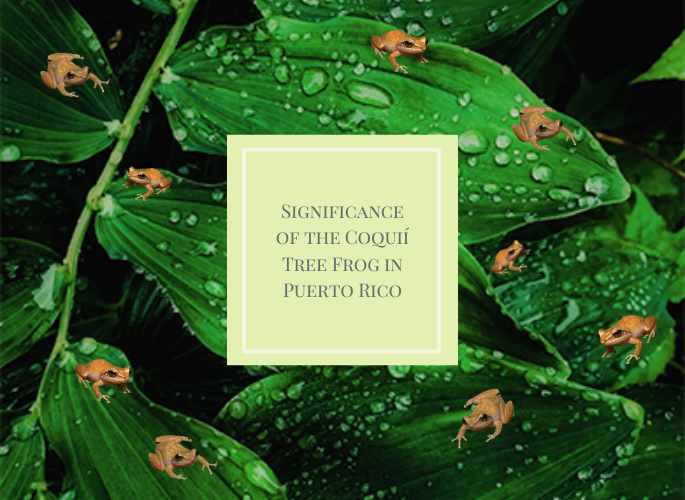
Why is the coquí the symbol of Puerto Rico? The coquí tree frog is Puerto Rico’s most beloved symbol because it’s found nowhere else on Earth and its iconic two-note “co-quí” night call has echoed through the island’s forests for centuries. Deeply rooted in Taíno culture and depicted in ancient petroglyphs, this tiny endemic frog represents Puerto Rican identity, belonging, and pride. With roughly 17 species living only on the island, the coquí embodies the phrase “De aquí como el coquí”—we are from here, like the coquí is.
Key Facts About the Coquí
- Species: ~17 in Puerto Rico (endemic)
- Call: two‑note male call at night
- Life cycle: direct development (no tadpole stage)
- Name origin: Eleutherodactylus = “free toes”; “coquí” from the sound
- Where to hear: humid forests (e.g., El Yunque), gardens after dusk
What does the coquí symbolize in Puerto Rico? The coquí symbolizes Puerto Rican identity and belonging. Its famous “co-quí” night call and deep Taíno roots make it an unofficial national icon that represents home, resilience, and cultural pride across the island and its diaspora.
Why is the coquí important to Puerto Rico? The coquí matters both culturally and ecologically. It’s an enduring Puerto Rican symbol tied to Taíno heritage and national pride, and in island forests it helps regulate insect populations and supports healthy nutrient cycles.
“What is it with the frog?” Is a phrase I often hear while working in my jewelry store in Old San Juan. Our coquí tree frog is a motif you will find in jewelry, paintings, sculptures, and varied artisanal works. Visitors often ask, “What does coquí mean?” as they encounter this symbol throughout our island. Yes, there are many tree frogs all around the world, but what makes the coquí so unique and a source of pride for Boricuas? (Another term for Puerto Ricans.) This blog will cover why our cute, little tree frog is much more than a frog, but a cultural symbol in Puerto Rico.
The coquí is a small endemic tree frog native to Puerto Rico, named for its distinctive nocturnal call that sounds like “ko-kee.” This culturally significant frog has been a symbol of Puerto Rican identity for centuries, dating back to the Taíno people, and appears throughout the island in jewelry, art, and tattoos. There are currently 17 different coquí species on the island, and unlike most frogs, they do not have webbed toes and skip the tadpole stage entirely.
The Coquí is a Singing Frog Native to Puerto Rico
Of course, many types of frogs, tree frogs, amphibians, insects make noises, but the coquí truly makes a sweet sound. Only singing throughout the night, the sound goes “ko-kee” which is why they get their onomatopoeic name, coquí. Mainly because of globalization where species are invading non-native regions, the coquí has been reported to be in places like Hawaii, Florida, and Virgin Islands. While this is the case, the truth is the coquí is originally from Puerto Rico. It has been a native and endemic species for hundreds of years that used to only be found on the island. This is one of the main reasons we have a popular saying “De aquí como el coquí,” a phrase that rhymes in Spanish and roughly translates to “We are from here like the coquí is.”
Why the Coquí is a Symbol of Puerto Rico
- Taíno origins: The indigenous Taíno people depicted the coquí in their art and petroglyphs centuries before colonization, making it a symbol of Puerto Rico’s pre-Columbian heritage
- Iconic “co‑quí” call: Its distinctive two-note song echoes throughout the island every night, creating a soundtrack that Puerto Ricans associate with home
- Omnipresence in art/jewelry/folklore: From traditional Taíno drawings to modern jewelry, paintings, and tattoos, the coquí appears everywhere in Puerto Rican creative expression
- “Soy de aquí como el coquí”: This beloved saying translates to “We are from here like the coquí is,” emphasizing belonging and native identity
- Island‑wide presence: As an endemic species found only in Puerto Rico, the coquí is uniquely ours—you won’t hear its song anywhere else in the world
- Pride/resilience across the diaspora: For Puerto Ricans living abroad, the coquí represents connection to the island, cultural pride, and the resilience of Boricua identity
The Puerto Rico Coquí Frog: Facts & Cultural Significance
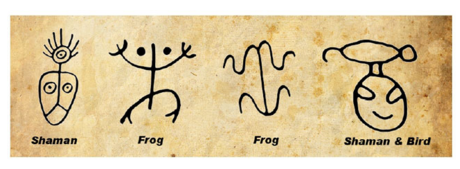
Dating back to pre-Columbine times, when the Taino’s were the main inhabitants of Puerto Rico and the Caribbean, they were prolific at depicting aspects of their daily life and religion. You can see in the image above some of the ways they drew the coquí frog. The coquí Taíno drawing is still one of the most popular symbols Boricuas love to have as tattoos or in artworks to commemorate Taíno’s influence and heritage in our culture.
Puerto Rican symbols represent the island’s rich cultural heritage and include the coquí tree frog, the national flower Flor de Maga, and the Puerto Rican flag. The coquí frog, endemic to Puerto Rico for centuries, is deeply rooted in Taíno culture and represents Boricua pride with the saying “De aquí como el coquí” (“We are from here like the coquí”). Other important symbols include the sun (Taíno origin), the leatherback sea turtle (Tinglar), and various indigenous designs that honor Puerto Rico’s pre-Columbian heritage and continue to appear in jewelry, art, and tattoos throughout the island.
If you want to visit and see their pictographs or petrographs, they can be found in the following places:
- Cueva del Indio, Arecibo
- La Piedra Escrita, Jayuya
- Río Blanco, Naguabo
- Park at Las Piedras, Las Piedras
- Caguana Ceremonial Site, Utuado
Ecological role of the Coquí
Walk into El Yunque at night, and you will hear the deafening chorus of Coquí frogs, which double as the forest’s main insect regulators. Every night, they feast on massive amounts of insects in the understory, firmly keeping bug populations under control. This heavy feeding actively drives nutrient cycling across El Yunque’s forest floor. As the Coquí frogs deposit waste from their canopy and understory meals, they speed up leaf-litter decomposition and quickly return essential nitrogen and phosphorus into the soil.
Fun Facts About the Coquí Tree Frog
- The coquí is not a swimmer! They do not have web between their toes. Hence, a tree frog! Although they do thrive best when it rains and humid areas.
- Different species are found all around the island. Just step outside at night in a very green area and you will hear them sing!
- Coquíes do not have a tadpole stage. They go from egg directly to coquí. Lookup a video so you see how teeny tiny frogs pop out from the eggs when born.
- Their Greek name is “Eleutherodactylus” meaning “free toes,” as mentioned above!
Learning More About the Different Coquí Species
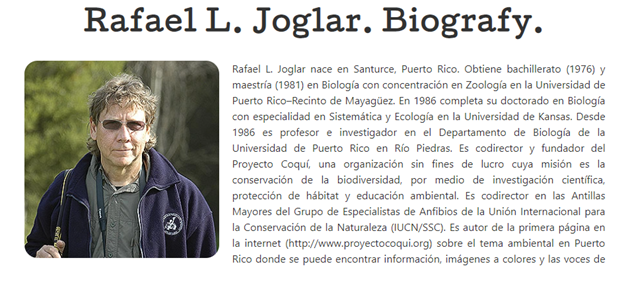
Rafael Joglar is the academic eminence in Biology and Ecology with a specialization in amphibians and reptiles. Therefore, he is the best source to learn everything about the 17 coquí species that currently still exist on the island. Rafael is a fierce advocate and defender of our natural resources and animal species, since many, including species of the coquí, have either gone extinct or are endangered due to deforestation and limited water sources. If you want to learn in depth about many of our coquíes, you can read his catalog and descriptions of the species.
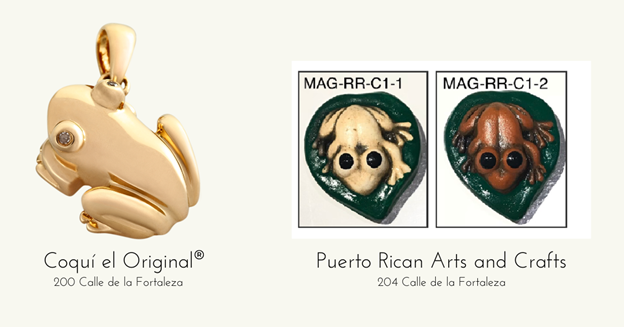
Coquí Jewelry and Art Make a Perfect Remembrance of the Island
If you’re ever visiting Puerto Rico, purchasing a local item celebrating the beloved coquí frog of Puerto Rico is truly an iconic way to remember your trip to the island. I hope this blog gave you an idea of why we are so obsessed with our cute, little singer. It has been this way for literally centuries! If you’re lucky enough, you might just spot one on your trip, although a tough task to achieve indeed.
FAQs
It symbolizes Puerto Rican identity, belonging, and pride rooted in Taíno heritage and the frog’s iconic night call.
It’s both a cultural icon and a key forest insect‑eater that supports healthy ecosystems.
The coquí is an unofficial national symbol; Puerto Rico doesn’t have an official national animal.
About 16–20 species are recognized, with roughly 17 endemic; counts vary by source.
No—coquíes are not considered dangerous or poisonous to humans.
Avoid handling wildlife; skin oils can harm frogs and local regulations may protect them.
It’s onomatopoeia for the frog’s “co‑quí” call. The name mimics the frog’s distinctive two-note “co-quí” call. The word comes directly from the sound the male frog makes when singing at night.
Only male coquís sing, using their two-note call at night to attract mates and defend territory. Females do not vocalize; they remain silent while males create the iconic chorus that fills Puerto Rico’s forests.
You can hear coquís throughout Puerto Rico in humid forests like El Yunque National Forest, gardens, parks, and green areas after dusk.
Coquís can reach 80-100 decibels, as loud as a lawnmower, because males must project their calls across dense forests to attract females and warn rival males. Their calls are amplified by their vocal sacs and the sheer number of frogs singing simultaneously creates a deafening chorus.
While the common coquí (Eleutherodactylus coqui) is not endangered, several of Puerto Rico’s 17 coquí species are threatened or have gone extinct due to deforestation, habitat loss, and limited water sources. Conservation efforts are ongoing to protect vulnerable species.
Yes, coquís are considered invasive in Hawaii, where they were accidentally introduced in the 1990s through plant shipments. Without natural predators, they’ve thrived in Hawaii’s climate, creating noise concerns and competing with native species.
Coquís sing year-round in Puerto Rico but are most vocal during the rainy season (April through November) when humidity is high. Warmer, wetter nights trigger the loudest and most sustained choruses as breeding activity peaks.
Salud y Exito
Daniela Barquet
Daniela Barquet is the 4th generation owner of her family's jewelry store located in Old San Juan, Puerto Rico since 1965. The business tradition was started by her great-grandfather, Issac Barquet, in 1920. Daniela graduated from Boston University with a Bachelor's in the History of Art and Architecture and a Minor in Italian Studies. Daniela continues to grow under the mentorship of her father, Natalio Barquet Perez, who is a renowned, certified jeweler in Puerto Rico.
- Daniela Barquethttps://coquieloriginal.com/author/nataliobarquetgmail-com/

- Daniela Barquethttps://coquieloriginal.com/author/nataliobarquetgmail-com/
- Daniela Barquethttps://coquieloriginal.com/author/nataliobarquetgmail-com/
- Daniela Barquethttps://coquieloriginal.com/author/nataliobarquetgmail-com/